
Lawn Care
Spring Lawn Preparation: A Practical Guide for Czech Gardens
From aeration and overseeding to the first cuts of the season — what the soil and grass actually need after a Bohemian winter.

Practical notes on lawn care, irrigation design and plant selection for the Bohemian and Moravian climate — from early spring thaw to late autumn wrap-up.
Each piece covers a specific aspect of backyard maintenance or design, grounded in conditions typical for Central European continental climate.
From aeration and overseeding to the first cuts of the season — what the soil and grass actually need after a Bohemian winter.
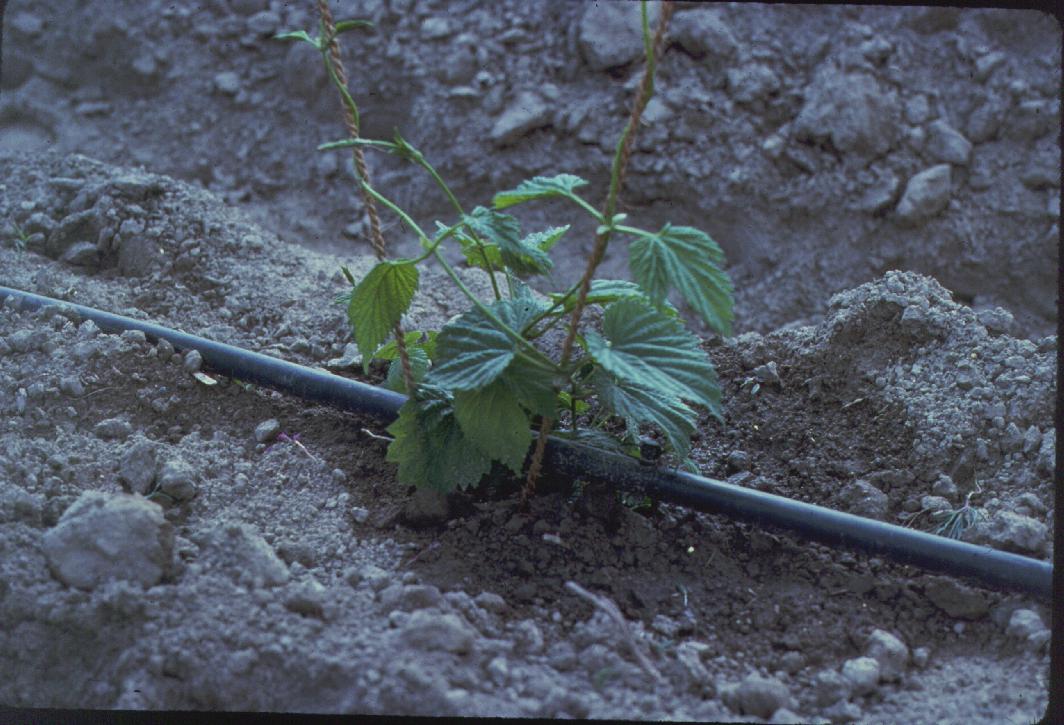
Drip lines, oscillating sprinklers and timed zones — comparing options for residential gardens where summer rainfall is unpredictable.

Hardy perennials, native shrubs and drought-tolerant groundcovers that handle Czech winters without special protection.
Gardens in Bohemia and Moravia follow a clear four-season rhythm. Knowing what to expect each quarter shapes smarter decisions about planting, watering and maintenance.

Soil temperatures above 8 °C — typically late March in southern Moravia, mid-April in Bohemian uplands — mark the start of active lawn and border work. June through August brings the highest evapotranspiration rates, making irrigation scheduling the central concern for most garden owners.

September and October remain productive for planting woody shrubs and bulbs. The frost line in most Czech regions reaches 30–60 cm, which determines pipe burial depth for irrigation systems and perennial root survival rates. Snow cover is inconsistent — winters without insulating snow expose surface-rooted plants to freeze-thaw cycles.
Annual rainfall of 450–700 mm, concentrated in May–July, means supplemental irrigation is often needed during dry spells from late July onward.
Use the form below for editorial questions or general correspondence.